Guide
Nerve Supplements and Medicines: Interactions and Questions for Your Pharmacist
Nerve supplements can interact with medicines, so show the bottle to a pharmacist first. Glucosamine and chondroitin have been tied to more bleeding in people on warfarin, turmeric may add to bleeding risk, glucosamine may raise blood sugar in some people, and most glucosamine comes from shellfish.
Written by the Nervecept label deskUpdated
Interactions01
Can nerve supplements interact with your medicines?
Yes, nerve supplements can interact with medicines, because a supplement is active material and not a food. NIH gives examples: vitamin K with warfarin, and St. John's wort with many drugs (NIH ODS, Dietary Supplements: What You Need to Know).
Supplements may also raise bleeding risk or affect anesthesia, so surgeons need to know about them (NCCIH, Using Dietary Supplements Wisely). "Natural" does not mean safe (NIH ODS, Dietary Supplements: What You Need to Know).
The table lines up each Nervecept label line with the flags we found. Where a row names no interaction, our sources name none. That is not the same as there being none.
| Ingredient (per capsule) | Flag from the sources |
|---|---|
| Glucosamine sulfate, 500 mg | More bleeding with warfarin; may raise blood sugar in some people; most is shellfish-derived (NCCIH, Glucosamine and Chondroitin) (AFP, Glucosamine questions (Pirotta)) |
| Chondroitin sulfate, 50 mg | More bleeding with warfarin; source may be cow, pig, shellfish or lab (NCCIH, Glucosamine and Chondroitin) (Arthritis Foundation, Glucosamine and chondroitin) |
| Turmeric root, 50 mg | May raise bleeding risk; may affect aspirin, ibuprofen and liver enzymes (MSK, Turmeric) |
| Indian frankincense, 67 mg | No specific interaction named; talk to a provider before mixing with any medicine (NCCIH, Boswellia) |
| Quercetin, 8 mg | Can change how some drugs are absorbed and processed; kidney disease caution (VKM, Rutin and Quercetin supplements) |
| Methionine, 8 mg | Feeds the homocysteine pathway, which needs B12, B6 and folate (StatPearls, Hyperhomocysteinemia) |
| MSM, 8 mg | No interaction named; the one trial used no sensitive safety tests (Debbi et al., MSM for knee osteoarthritis) |
| Bromelain, 8 mg | No specific interaction named; stomach upset and diarrhea (NCCIH, Bromelain) |
Blood thinners02
Is it safe to take glucosamine or turmeric with warfarin?
It is not safe to assume so: glucosamine and chondroitin have been linked to more bleeding in people on warfarin, and turmeric may raise bleeding risk. Ask the clinician who manages your blood thinner before you start (NCCIH, Glucosamine and Chondroitin) (MSK, Turmeric).
Memorial Sloan Kettering advises against turmeric supplements with warfarin or other blood thinners (MSK, Turmeric). The Nervecept turmeric line is 50 mg of root, not a curcumin extract, but the same bleeding caution is the safe reading.
Watch for unusual bleeding or bruising and report it (AFP, Glucosamine questions (Pirotta)).
Turmeric has a second flag. LiverTox calls it a well-documented cause of liver injury, mostly from absorption-enhanced products with piperine, usually starting one to four months in (LiverTox, Turmeric). Fatigue, nausea, dark urine or yellow skin or eyes are reasons to stop and call a clinician (NCCIH, Turmeric).
Glucosamine, chondroitin, turmeric
Each has a bleeding flag. Do not start without the prescriber's word.
Turmeric
Turmeric may lessen the effect of aspirin and ibuprofen, and aspirin adds its own bleeding risk (MSK, Turmeric).
Glucosamine
Raised blood sugar has been reported. One review found no effect on fasting glucose, so the picture is mixed (AFP, Glucosamine questions (Pirotta)).
Allergy03
Can you take glucosamine if you are allergic to shellfish?
Ask an allergist or doctor first, because most glucosamine is made from shellfish shells. The review authors advise avoiding it after a severe seafood reaction, though two small studies found no reactions in people with confirmed shellfish allergy (AFP, Glucosamine questions (Pirotta)).
The Nervecept label says CONTAINS: shellfish (crayfish), and the label wins over any web page. If you have ever reacted to shrimp, crab, lobster or crayfish, check with your doctor before the first capsule.
Read the allergen line on the bottle you receive. If it differs from this guide, trust the bottle and ask the order desk before you take it.
Before you start04
What should you ask a pharmacist before taking a nerve supplement?
Ask your pharmacist whether any ingredient on the label conflicts with your medicines, allergies or health conditions. Bring the bottle or a photo of the Supplement Facts panel, and keep a written list of everything you take (NIH ODS, Dietary Supplements: What You Need to Know).
Keep taking prescribed medicine exactly as directed. A supplement never takes its place.
The label itself asks pregnant or nursing mothers, anyone under 18 and anyone with a known medical condition to consult a physician. Many botanical ingredients have not been thoroughly studied in pregnant women (NIH ODS, Pregnancy and supplements).
Bring the panel
Show every ingredient and amount, not just the front of the bottle.
Name your medicines
Include blood thinners, daily aspirin or NSAIDs, diabetes drugs and anything the liver processes.
Mention your allergies
Say "shellfish" first, then any other food or drug reaction.
Say what is coming up
Surgery or dental work needs a heads-up (NCCIH, Using Dietary Supplements Wisely).
Problems05
Where do you report a bad reaction to a supplement?
Stop the product, get care if the reaction is serious, then report it through the FDA Safety Reporting Portal. Choose the private citizen voluntary report and give as much detail as you can (FDA, How to Report a Problem with Dietary Supplements).
The FDA phone line is 1-888-INFO-FDA (1-888-463-6332). MedWatch covers human medical products in general, so the portal is the supplement route (FDA, MedWatch).
Also tell your doctor, and keep the bottle and the order email so you can describe exactly what you took and when.
For label questions, see side effects and the ingredients guide. For the full panel, see supplement facts.
FAQ06
Nervecept questions people ask
Can I take turmeric if I am on blood thinners?
Not without asking your prescriber. Memorial Sloan Kettering advises against turmeric supplements with warfarin or other blood thinners because early research and a case report suggest more bleeding risk (MSK, Turmeric).
Can glucosamine affect blood sugar in people with diabetes?
It may in some people. Raised blood sugar has been reported, though the review authors conclude people with diabetes can use it safely and a meta-analysis found no effect on fasting glucose (AFP, Glucosamine questions (Pirotta)). If you take diabetes medicine, check your readings and tell your doctor.
Is glucosamine made from shellfish?
Most glucosamine products are shellfish-derived (AFP, Glucosamine questions (Pirotta)), though some come from other sources. Chondroitin may come from cow, pig, shellfish or a lab (Arthritis Foundation, Glucosamine and chondroitin). Read the allergen line on any bottle. Nervecept lists shellfish (crayfish).
Can quercetin interact with prescription drugs?
It can. A European safety committee reported that quercetin can change how some drugs are absorbed and how the body processes them, and that people with chronic kidney disease may be more vulnerable (VKM, Rutin and Quercetin supplements). Ask your pharmacist about your own list.
Should I tell my surgeon about supplements?
Yes. Supplements may raise bleeding risk or affect anesthesia, so give your surgical team the full list before any procedure (NCCIH, Using Dietary Supplements Wisely). Take the bottle, or a photo of its Supplement Facts panel, to the pre-op visit.
Is it safe to take supplements while pregnant or nursing?
Ask your doctor first. Many botanical ingredients have not been thoroughly studied in pregnant women (NIH ODS, Pregnancy and supplements), and the Nervecept label tells pregnant or nursing mothers to consult a physician. Little is known about several of its ingredients in pregnancy.
Do supplements need FDA approval?
No. Dietary supplements get no FDA approval before they are sold, and makers must evaluate safety and labeling themselves (FDA, Dietary Supplements) (FDA, Questions and Answers on Dietary Supplements). That makes your own check with a pharmacist more important, not less.
Who wrote this07
Written and reviewed by
Pages built from the label, the official site, the sales page and linked NIH, FDA, FTC and peer-reviewed sources.
Last updated . Read about our editorial standards and how we check reviews. This website is run by a U.S. order-link partner, not by the maker or distributor of Nervecept. We are paid when you buy through our order links.
Keep reading
More about Nervecept

Nervecept U.S. order-link partner
Ready to try Nervecept?
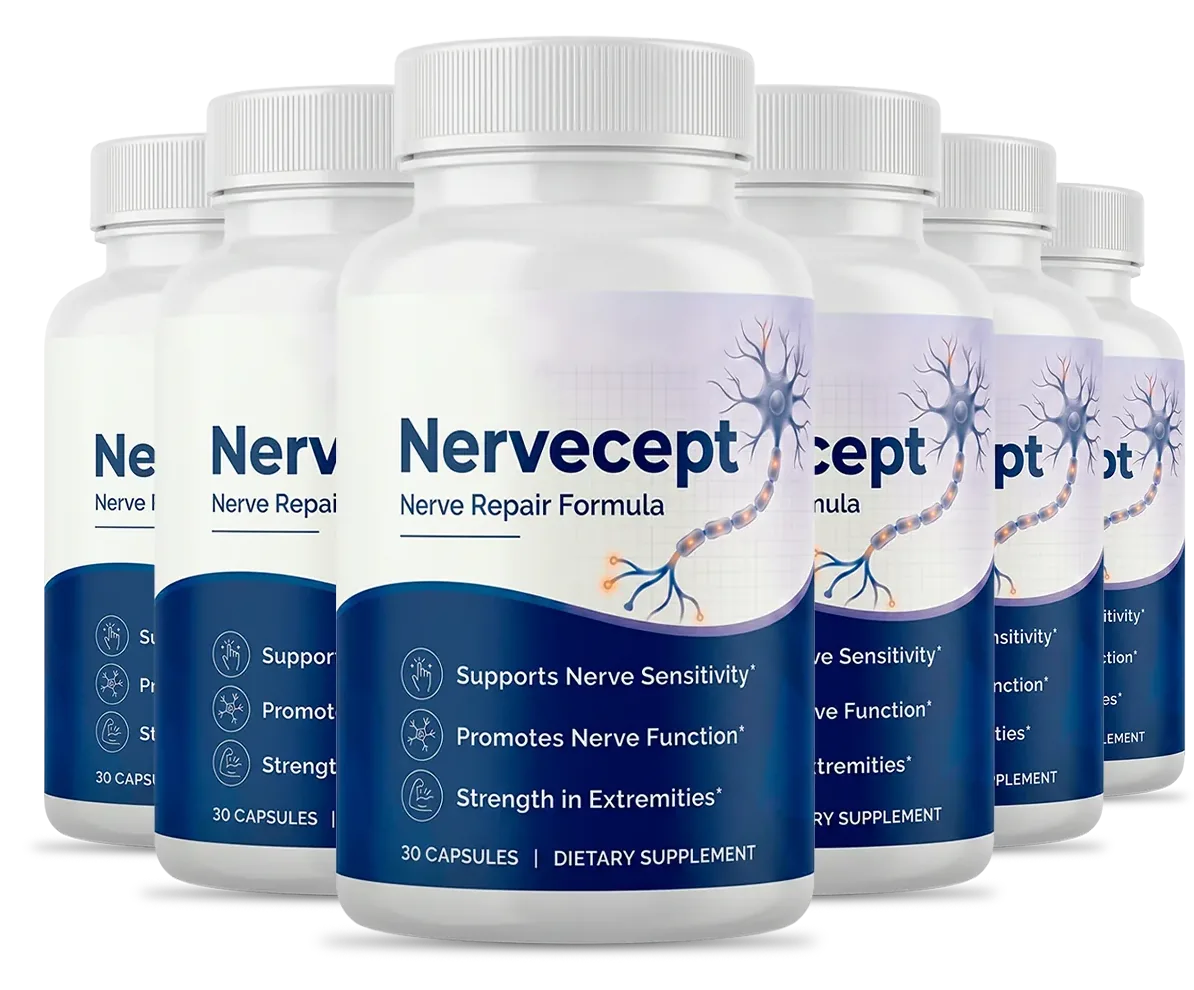
The order button opens the brand's sales page, where the order is placed and the final price and shipping are shown. Read the label, check for shellfish and check your medicines first.
- The order button opens the brand's sales page
- 60-day money-back guarantee, as the seller states it
- Free U.S. shipping on 3 and 6 bottles