Quercetin
Quercetin in Nervecept
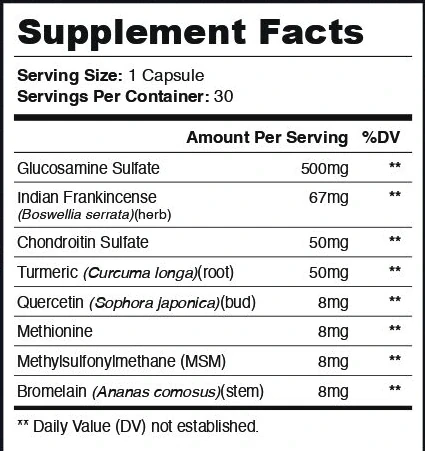
Quercetin is a plant pigment, a flavonoid, and Nervecept lists quercetin from Sophora japonica bud at 8 mg per capsule, about 1% of the 699 mg on the label. A European committee judged up to 500 mg a day safe for adults for three months. We found no nerve or pain trial of it.
Written by the Nervecept label deskUpdated
The ingredient01
What is quercetin, and what is it doing in Nervecept?
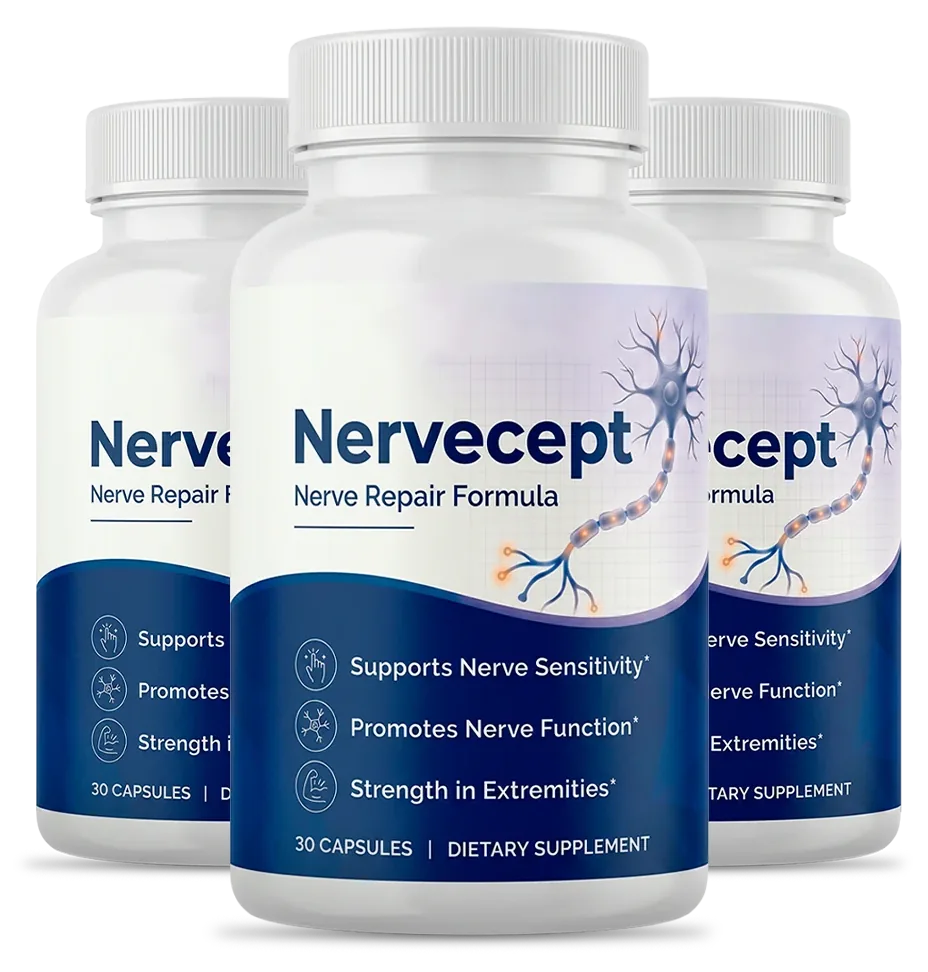
Quercetin is a plant pigment from the flavonoid family, and Nervecept lists it as quercetin (Sophora japonica) bud at 8 mg per capsule. The bud comes from the Japanese pagoda tree.
Quercetin is found in many plant foods, and supplement makers sell it as an antioxidant. That word describes a lab property of a molecule. It is not a promise about nerves.
On the Nervecept bottle it is one of four small lines, each at 8 mg. The profile below is copied from the printed panel.
| Name on the label | Quercetin (Sophora japonica)(bud) |
|---|---|
| What it is | A plant pigment (flavonoid) found in many foods; here from the bud of the Japanese pagoda tree |
| Group on the panel | Herbal extracts |
| Amount per serving (label) | 8 mg |
| % Daily Value | Not established |
| Amount used in research | A European safety committee judged up to 500 mg of quercetin dihydrate a day safe for adults for at least three months |
| Strength of evidence | No nerve or pain trial cited here |
| Marketed or traditional use | Marketed as an antioxidant |
| Main caution | People with chronic kidney disease may be more vulnerable; can affect how some drugs are absorbed and processed. |
One capsule a day, 30 capsules a bottle. The panel gives no Daily Value for this line.
The amount02
How much quercetin is in one Nervecept capsule?
One Nervecept capsule holds 8 mg of quercetin, about 1% of the 699 mg the label lists. The label says one capsule a day, so the daily amount is 8 mg.
The one amount our sources give is a safety ceiling, not a target. The European safety committee VKM judged that up to 500 mg of quercetin dihydrate a day is safe for adults for at least three months (VKM, Rutin and Quercetin supplements).
The label amount is a small fraction of that ceiling. Safe at 500 mg does not mean useful at 8 mg, and it does not mean 8 mg does anything for nerves.
| Measure | Amount | What it is |
|---|---|---|
| Nervecept label | 8 mg a day | Quercetin from Sophora japonica bud |
| Share of the capsule | About 1% | 8 of 699 mg listed (our arithmetic) |
| European safe level | Up to 500 mg a day | Quercetin dihydrate, adults, at least 3 months |
| Trial dose for nerves | None cited | No nerve or pain trial in our sources |
The research03
What does the research say about quercetin?
The quercetin source we cite is a safety review, not a trial of benefit. VKM, a European regulator rather than a US agency, looked at rutin and quercetin supplements and concluded they are safe at up to 500 mg quercetin dihydrate a day for at least three months (VKM, Rutin and Quercetin supplements).
We cite it because we found no US agency safety summary. It says nothing about whether quercetin eases pain or helps a nerve.
So the honest line is short. Quercetin has a safety ceiling for adults, and we found no nerve evidence at any amount.
A safe level
Up to 500 mg of quercetin dihydrate a day for adults, for at least three months.
A benefit trial
No cited trial shows quercetin changes pain or sensation.
A nerve study
Nothing here tests quercetin, or Nervecept, in numb or tingling feet.
Safety04
Who should be careful with quercetin supplements?
People with chronic kidney disease and people who take prescription drugs should ask a doctor before taking quercetin. VKM noted that some data suggest people with chronic kidney disease may be more vulnerable to harm (VKM, Rutin and Quercetin supplements).
It also found that quercetin can change how the body absorbs various drugs and how enzymes convert them. That matters if your medicine has a narrow safe range.
At 8 mg the effect may be small, but the sources do not set a lower limit. A pharmacist can check your list.
What the source reports
- Safe for adults up to 500 mg a day for three months.
- Safety data cover a limited period.
Ask first if you have
- Chronic kidney disease.
- Medicines the liver processes.
- Pregnancy, nursing or an age under 18, as the label says.
Keep taking prescribed medicine as directed. The label also contains shellfish (crayfish). The full list is in Nervecept side effects.
Nerves05
Does quercetin help with nerve pain or tingling?
No source we cite shows that quercetin helps nerve pain or tingling. The evidence we have is about safe intake, not about relief.
Tingling can come from diabetes, low vitamin B12, a pinched nerve or a medicine you take (MedlinePlus, Numbness and tingling). A doctor can test for these. The plan follows the cause, and an antioxidant line on a label does not change that.
Read the other small lines the same way: methionine, MSM and bromelain are also 8 mg each.
Before you buy06
What should you check before taking Nervecept with quercetin?
Check the allergen line, your medicines and your kidney health before taking Nervecept. Quercetin is only one of eight lines, and a pharmacist should see the whole bottle.
The label says CONTAINS: shellfish (crayfish). It also says to ask a physician first if you are pregnant or nursing, under 18, or have a known medical condition.
Bring the Supplement Facts to the visit. Our label page lists every line.
Eight milligrams of quercetin is a minor line with a decent safety record at much higher amounts and no nerve evidence. It is not the reason to buy or to avoid the capsule.
- Rutin and Quercetin: Health Risks of Intake of Food Supplements (VKM Report 2024:09). Norwegian Scientific Committee for Food and Environment (VKM), 2024.Published 19 June 2024. VKM concluded supplements are safe for at least three months at up to 500 mg quercetin dihydrate a day for adults. Some data suggest people with chronic kidney disease may be more vulnerable to harm. Studies in humans and animals show quercetin can affect the absorption of various drugs and the enzymes that convert drugs. A European regulator, not a US agency; used because no US agency safety summary was found.
- Numbness and tingling. NIH National Library of Medicine, MedlinePlus, n.d..Lists many causes, including pinched or compressed nerves, diabetes, low B vitamins (B1, B6, B12, folic acid), medicines and toxins, poor blood flow and thyroid disease. Go to the hospital or call 911 for numbness or tingling with weakness or inability to move, after a head, neck or back injury, with loss of bladder or bowel control, confusion, slurred speech, vision changes or trouble walking. Contact a provider for numbness or tingling with no obvious cause, or leg numbness that worsens with walking. Page undated.
FAQ07
Nervecept questions people ask
What is Sophora japonica quercetin?
It is quercetin taken from the bud of Sophora japonica, the Japanese pagoda tree. Nervecept lists it as quercetin (Sophora japonica) bud at 8 mg per capsule. The compound is the same flavonoid found in many plant foods (VKM, Rutin and Quercetin supplements).
How much quercetin is safe to take daily?
A European committee judged up to 500 mg of quercetin dihydrate a day safe for adults for at least three months. Nervecept has 8 mg a capsule. The finding does not cover children, pregnancy or long use beyond three months (VKM, Rutin and Quercetin supplements).
Is the quercetin dose in Nervecept high or low?
It is low. At 8 mg a capsule it is a small fraction of the 500 mg ceiling. No cited trial gives an amount that helps nerves, so we cannot call 8 mg too little or enough (VKM, Rutin and Quercetin supplements).
Can quercetin interact with medicines?
It can. Studies in people and animals show quercetin can change how the body absorbs various drugs and how enzymes process them. Ask a pharmacist if you take a prescription, and keep taking it as directed (VKM, Rutin and Quercetin supplements).
Is quercetin safe with kidney disease?
Ask your doctor first. The European review noted that some data suggest people with chronic kidney disease may be more vulnerable to harm from quercetin. Nervecept's label tells anyone with a known medical condition to consult a physician (VKM, Rutin and Quercetin supplements).
Does quercetin work as an antioxidant in the body?
Antioxidant describes how the molecule behaves in lab tests. We cite no human trial showing a nerve or pain benefit from quercetin, so an antioxidant label alone tells you little about what a capsule does for you (VKM, Rutin and Quercetin supplements).
Who wrote this08
Written and reviewed by
Pages built from the label, the official site, the sales page and linked NIH, FDA, FTC and peer-reviewed sources.
Last updated . Read about our editorial standards and how we check reviews. This website is run by a U.S. order-link partner, not by the maker or distributor of Nervecept. We are paid when you buy through our order links.
Keep reading
More about Nervecept
Nervecept U.S. order-link partner
Ready to try Nervecept?
The order button opens the brand's sales page, where the order is placed and the final price and shipping are shown. Read the label, check for shellfish and check your medicines first.
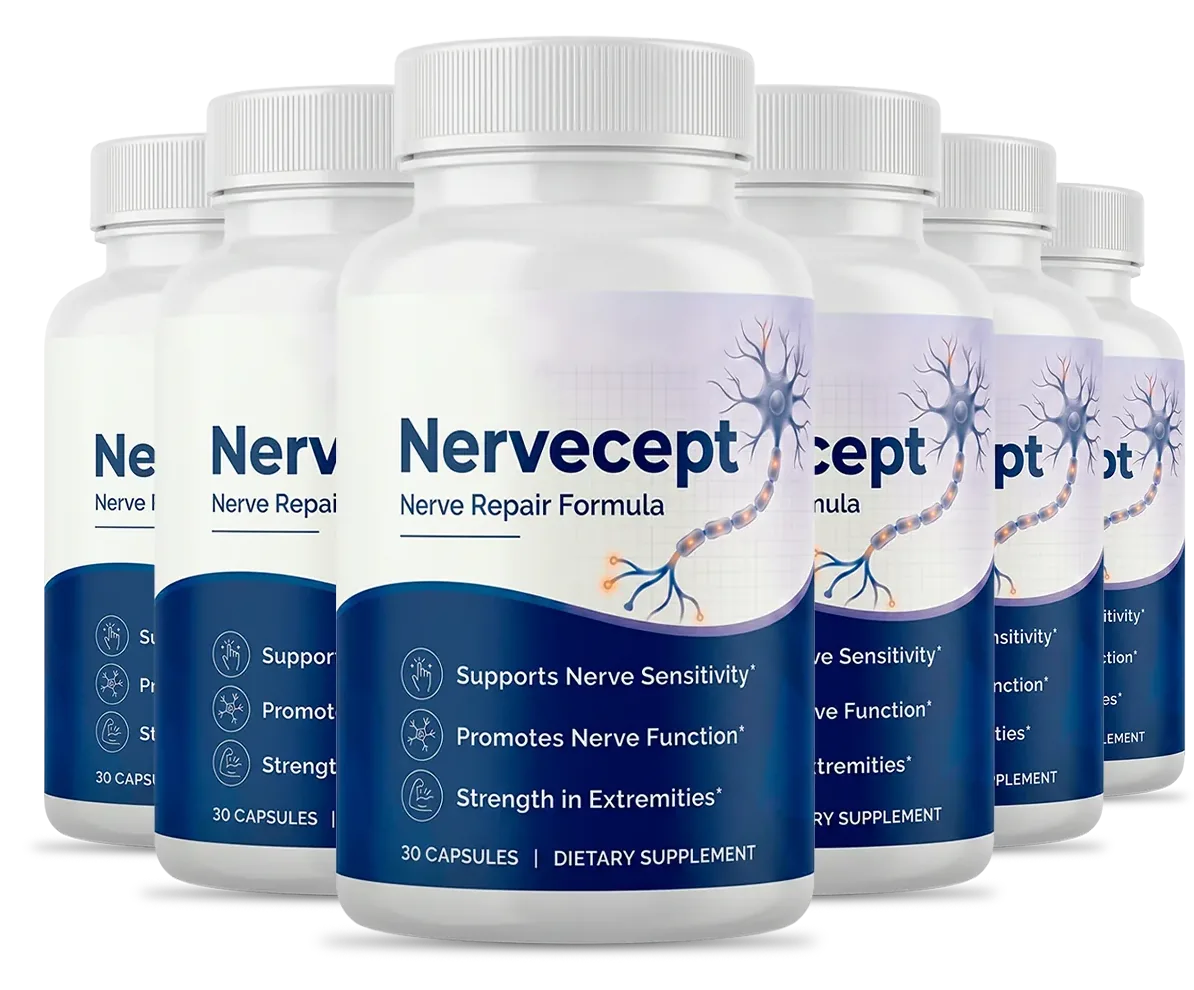
- The order button opens the brand's sales page
- 60-day money-back guarantee, as the seller states it
- Free U.S. shipping on 3 and 6 bottles